Vital
Pulse Rate
Your Pulse Rate: Why It Matters
Pulse rate reflects your heart's rhythm and efficiency. For seniors, tracking pulse rate can offer important clues about heart health and detect irregularities like arrhythmias. Monitoring pulse alongside other vital signs helps support cardiovascular well-being and adjust medications or activities as needed.
Recommended Range
60-100 bpm
What Is Pulse Rate?
Pulse rate, also known as heart rate, measures how many times your heart beats per minute (bpm). It reflects your heart’s rhythm and efficiency, offering insights into your cardiovascular health. A normal resting pulse rate for adults is typically between 60 and 100 bpm. A rate consistently above or below this range can signal underlying health issues.
Why It Matters for Seniors
As we age, the heart may respond differently to activity and stress. Monitoring your pulse can help detect signs of irregular heartbeat (arrhythmia), monitor the effects of medications, and evaluate fitness levels. A consistently high or low pulse rate could be related to conditions such as heart disease, thyroid issues, or dehydration.
How It's Measured
Pulse rate is usually measured by placing fingers on the wrist, neck, or chest. Devices like blood pressure monitors, smartwatches, or fitness trackers also provide readings. The best time to measure your resting pulse is after sitting quietly for a few minutes.
What Seniors Can Do to Maintain a Healthy Pulse
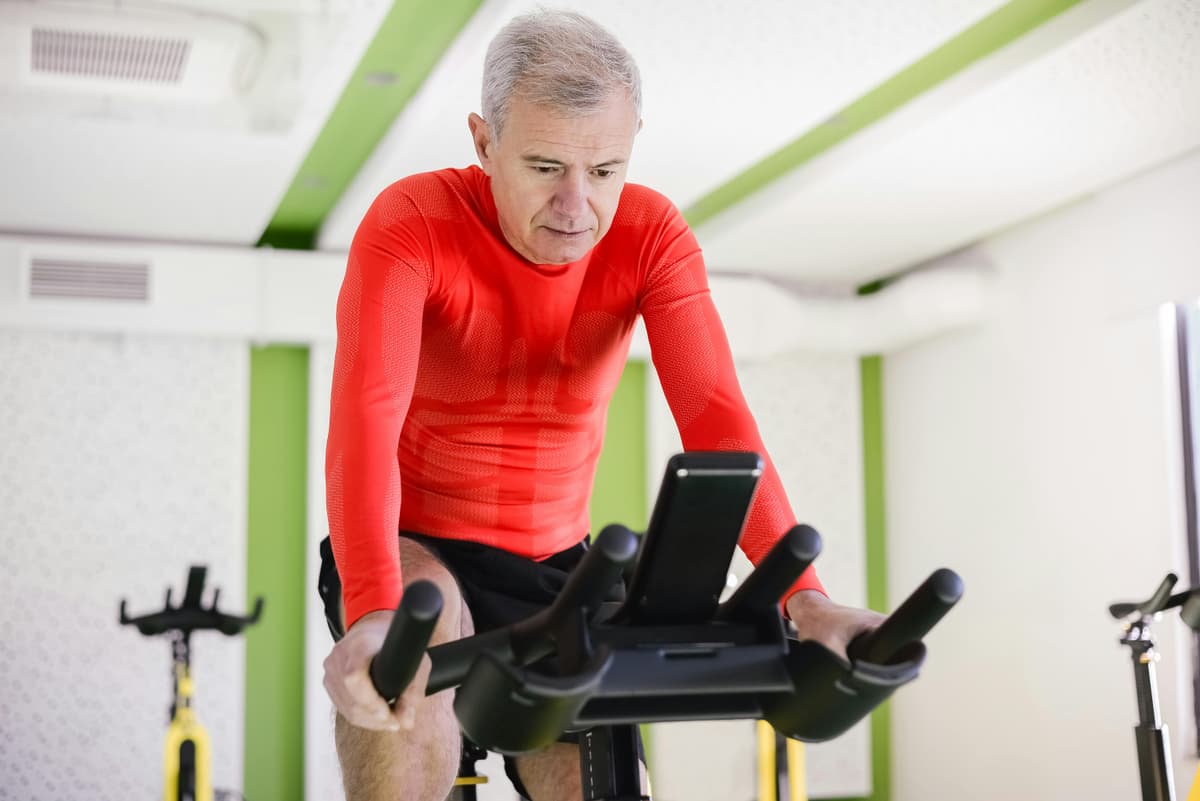
'- Exercise regularly (e.g., walking, tai chi, swimming) to strengthen the heart
- Manage stress through deep breathing, mindfulness, or light yoga
- Avoid stimulants like tobacco and excessive caffeine
- Get regular checkups to review heart medications and overall heart function
- Stay hydrated and maintain balanced nutrition
When to Seek Medical Advice
A pulse rate consistently below 60 bpm or above 100 bpm at rest may require medical attention—especially if accompanied by dizziness, shortness of breath, fatigue, or fainting. These symptoms could indicate an underlying heart condition or other health issue.
Conditions That Affect Pulse Rate
Various factors and conditions can impact pulse rate in older adults, including medications (like beta-blockers), dehydration, anemia, thyroid disorders, or infections. Tracking changes in your pulse can help detect early signs of these conditions.
How to Track Your Pulse at Home
Use a digital blood pressure monitor, fitness tracker, or smartwatch to log your resting heart rate daily. Note any changes or trends and share them with your healthcare provider during checkups. Keeping a simple record in a notebook or app can be helpful.
Tips for a Heart-Healthy Lifestyle
- Eat a balanced diet rich in fruits, vegetables, and whole grains
- Get regular cardiovascular exercise
- Avoid smoking and limit alcohol
- Keep stress in check with breathing techniques or meditation
- Sleep 7–9 hours each night to support heart function
Important Notice
The information provided here is for educational purposes only and should not replace professional medical advice. Always consult with your healthcare provider about your specific health needs and recommended vital ranges.
Learn more about your health
Explore other vital health metrics to better understand your overall wellness.