Vital
Protein
The Importance of Protein in Aging
Protein is critical for maintaining muscle mass, healing, and immune health in older adults. As metabolism changes with age, regular protein intake supports strength, mobility, and recovery from illness. Meeting protein needs through balanced meals is vital for aging well.
Recommended Range
0.017-0.019 oz. per lb. of body weight
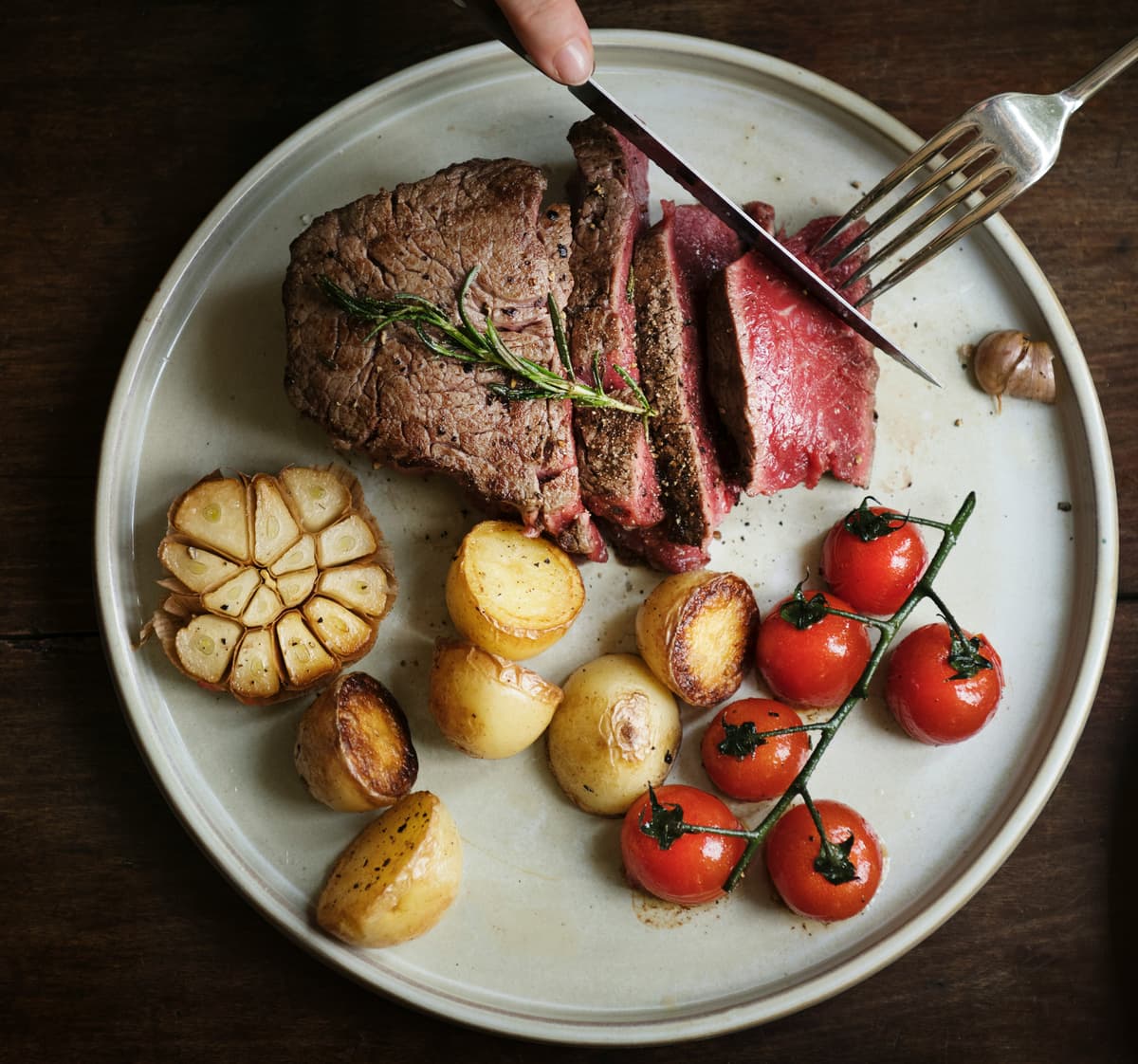
Importance of Protein in Aging
Protein serves as a fundamental building block for maintaining health and functionality in older adults. As people age, they naturally lose muscle mass, a condition known as sarcopenia, which can impact mobility, balance, and independence. Adequate protein intake helps preserve muscle strength, promotes recovery from illness or surgery, and supports a robust immune system. It also contributes to the maintenance of skin, hair, and internal organs. Ensuring a steady intake of high-quality protein becomes even more important in later years when appetite often declines, putting seniors at higher risk of nutritional deficits.
How Much Protein Do Seniors Need?
The general recommendation for protein intake in older adults is 1.0 to 1.2 grams of protein per kilogram of body weight per day. For example, a 70 kg (154 lb) senior would need between 70 to 84 grams of protein daily. Some individuals, such as those recovering from illness or experiencing muscle loss, may require even higher intakes. Meeting these needs consistently helps reduce frailty, supports immune health, and promotes faster recovery from surgeries or injuries.
Sources of High-Quality Protein
High-quality sources of protein include animal products like poultry, lean meats, fish, dairy, and eggs, as well as plant-based options such as beans, lentils, tofu, tempeh, nuts, and whole grains. Seniors should aim for a balanced diet that incorporates a variety of protein sources to ensure they receive all essential amino acids. Fortified foods or protein-enriched snacks may also help meet daily goals, especially when appetite is low.
Timing and Distribution of Protein Intake
Distributing protein intake evenly throughout the day—rather than consuming most of it in one meal—maximizes muscle protein synthesis. Aiming for 25–30 grams of protein at breakfast, lunch, and dinner supports muscle maintenance and function. This even distribution is especially important for older adults to help counteract age-related muscle breakdown.
Combining Protein with Physical Activity
Pairing protein intake with regular physical activity, especially resistance training or weight-bearing exercises, significantly enhances its benefits. This combination helps improve muscle strength, balance, and endurance, reducing the risk of falls and maintaining functional independence. Even light activities such as chair exercises or resistance band routines can make a meaningful difference.
Overcoming Barriers to Protein Intake
Digestive issues, reduced appetite, or chewing difficulties can make it hard for seniors to consume enough protein. In such cases, softer protein options like yogurt, eggs, smoothies, and protein shakes can help. Spreading meals into smaller, more frequent portions may also improve tolerance and intake. Registered dietitians can offer tailored solutions based on individual needs.
Monitoring Protein Consumption
Monitoring protein intake helps ensure that nutritional targets are met. Keeping a food diary, using nutrition apps, or consulting with a healthcare provider can aid in identifying gaps and making adjustments. Periodic check-ins with a doctor or dietitian are useful for evaluating muscle mass and adjusting recommendations as health conditions change.
Some Conditions Require Modified Protein Intake
Certain medical conditions, such as kidney disease, may necessitate modified protein intake. It's important for seniors with chronic illnesses to work closely with their healthcare provider to balance protein needs without overburdening their organs. Personalized nutrition plans help ensure safety and effectiveness in meeting overall health goals. As always, work with a healthcare professional on what may be ideal for you.
Important Notice
The information provided here is for educational purposes only and should not replace professional medical advice. Always consult with your healthcare provider about your specific health needs and recommended vital ranges.
Learn more about your health
Explore other vital health metrics to better understand your overall wellness.