Vital
Fluids
Staying Hydrated: Fluids for Senior Wellness
Proper hydration supports every major system in the body—from brain to bladder. Seniors face greater risk of dehydration due to age-related changes. Prioritizing fluid intake helps prevent confusion, infections, and other complications.
Recommended Range
13 cups (104 oz.) for men
9 cups (72 oz.) for women
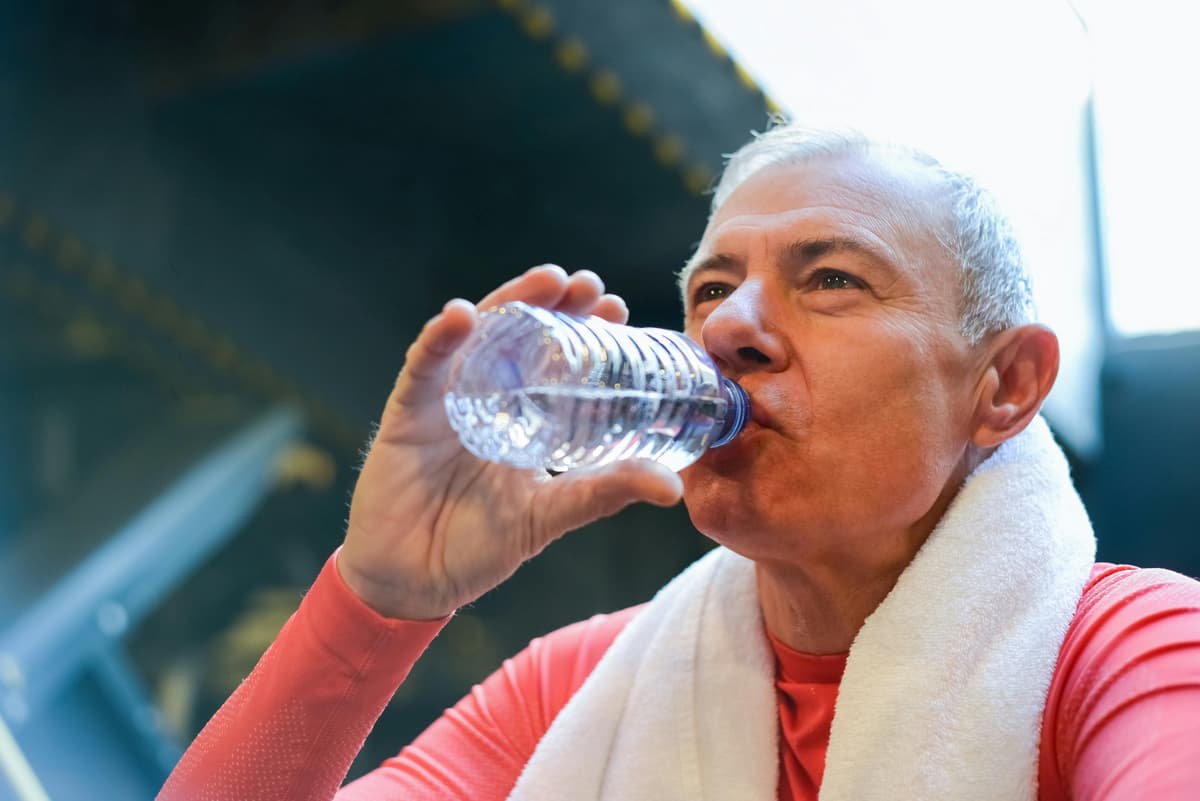
Importance of Hydration in Older Adults
Hydration is vital at every age, but it becomes increasingly critical for older adults due to physiological changes that occur with aging. These changes include a diminished sense of thirst, reduced kidney efficiency, and changes in body composition that lower total water reserves. Staying adequately hydrated supports essential bodily functions such as regulating temperature, maintaining healthy skin and joints, supporting cognitive clarity, and ensuring that organs function properly. Dehydration in seniors can lead to serious complications including urinary tract infections, confusion, constipation, and even hospitalization if not promptly addressed.
How Much Fluid Do Seniors Need?
The general guideline for fluid intake is approximately 11.5 cups (2.7 liters) per day for women and 15.5 cups (3.7 liters) per day for men, including water, beverages like herbal tea, and moisture-rich foods such as fruits, vegetables, and soups. However, these needs can vary depending on body size, physical activity, climate, and medical conditions — such as heart and/or kidney disease. Older adults may need to adjust their intake due to medications, mobility issues, or decreased kidney efficiency. Spreading fluid intake throughout the day helps maintain hydration without overwhelming the bladder. As always, work with a healthcare professional on what may be ideal for you.
Recognizing Dehydration Symptoms
Dehydration can manifest subtly or suddenly in seniors. Early signs include dry mouth, fatigue, headache, reduced urination, and dark yellow urine. More serious symptoms may involve confusion, dizziness, low blood pressure, or rapid heartbeat, and in severe cases, can result in hospitalization. Recognizing these early symptoms and encouraging regular fluid consumption is essential for preventing complications.
Challenges to Staying Hydrated with Age
Aging affects the body’s ability to retain and perceive hydration. Kidney function declines, reducing the body’s ability to conserve water. Many older adults also take medications like diuretics or laxatives that promote fluid loss. Chronic illnesses, especially diabetes or cognitive impairment, can further complicate hydration. Environmental factors like hot weather or living in a heated indoor environment during winter also increase fluid needs.
Daily Strategies for Better Hydration
To support proper hydration, older adults should establish a routine of drinking fluids at regular intervals, not just when they feel thirsty. Setting hydration reminders, keeping a water bottle nearby, and consuming hydrating foods like cucumbers, oranges, and watermelon can help. For those who dislike plain water, flavoring with lemon or using herbal teas can make hydration more appealing.
Health Benefits of Adequate Hydration
Staying hydrated offers numerous benefits for physical and mental health. It aids digestion, helps maintain stable blood pressure, regulates body temperature, and supports brain function. Hydration also helps flush out toxins and reduces the risk of urinary tract infections, kidney stones, and constipation. Seniors who stay well-hydrated often experience better concentration, mood, and energy levels.
Tracking and Monitoring Fluid Intake
Tracking hydration can be simple and effective. Seniors may use a hydration journal, mobile app, or a large marked water bottle to monitor daily fluid intake. Caregivers and family members can assist by offering fluids regularly and paying attention to urine color as a hydration cue. Routine hydration checks during medical visits are also recommended.
When to Seek Help for Dehydration
If symptoms of dehydration persist or worsen despite fluid intake, seek medical attention. Signs such as confusion, persistent dry mouth, muscle cramps, or difficulty urinating may indicate underlying medical issues. A healthcare provider can assess fluid balance, adjust medications, and provide personalized recommendations based on overall health and hydration status.
Important Notice
The information provided here is for educational purposes only and should not replace professional medical advice. Always consult with your healthcare provider about your specific health needs and recommended vital ranges.
Learn more about your health
Explore other vital health metrics to better understand your overall wellness.